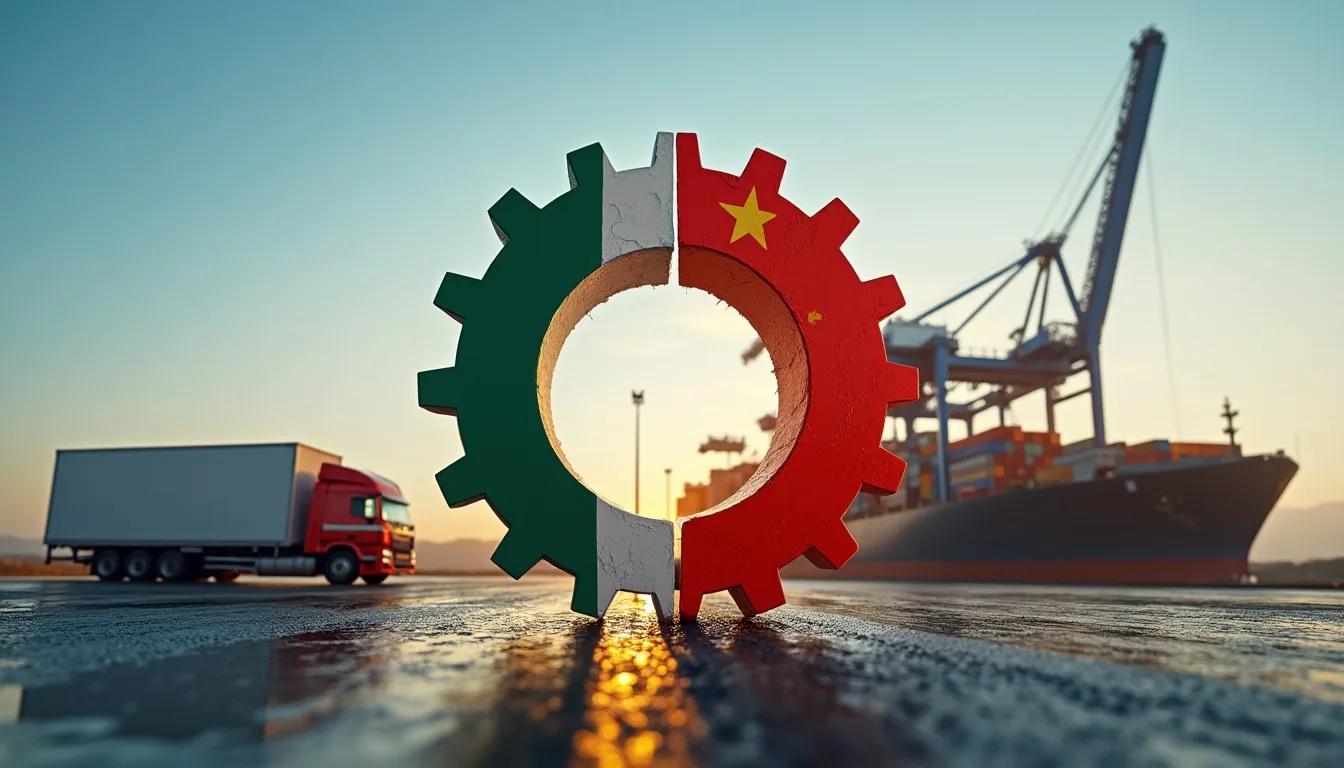
What is Nearshoring
What is nearshoring involves relocating business operations or outsourcing to nearby countries, often sharing borders or time zones, to leverage cost efficiencies while maintaining close oversight and cultural alignment. This guide provides a comprehensive overview, including the definition, benefits such as reduced logistics costs and faster market response, comparisons to offshoring, real-world examples from industries like manufacturing and IT, and emerging 2025 trends driven by AI and geopolitical shifts. With global nearshoring projected to grow 15-20% annually amid supply chain disruptions, you’ll learn how it offers advantages over traditional models. From nearshoring definition to practical applications in locations like Mexico, this resource equips businesses with insights to optimize strategies and enhance competitiveness.
Nearshoring Definition and Basics
Nearshoring definition centers on transferring business processes, such as IT services or manufacturing, to a geographically close country to minimize time zone differences and cultural barriers while achieving cost savings. Unlike offshoring to distant locations like Asia, nearshoring prioritizes proximity, often within the same region, enabling easier collaboration and visits.
This approach emerged in the 1990s as an alternative to offshoring, gaining traction post-2008 financial crisis and accelerating during the COVID-19 pandemic due to supply chain vulnerabilities. In 2025, it’s defined by digital tools facilitating remote work, making it suitable for services like software development and customer support.
The basics include selecting destinations based on factors like language compatibility and regulatory harmony. For instance, US companies often nearshore to Mexico or Canada, benefiting from shared North American standards.
Benefits of Nearshoring for Businesses
Benefits of nearshoring include significant cost reductions up to 30-50% on labor compared to onshore operations—while preserving quality through cultural similarities. This model enhances communication, reducing misunderstandings that plague offshoring, and supports agile decision-making with overlapping work hours.
In 2025, nearshoring advantages extend to sustainability, as shorter supply chains lower carbon emissions from transportation. Businesses report 20-40% faster project delivery, boosting customer satisfaction in competitive markets like e-commerce.
Additionally, it fosters innovation through closer partnerships, allowing real-time feedback loops. Economic stability in nearshore locations minimizes risks from currency fluctuations or political unrest.
Cost Savings and Efficiency Gains
Cost savings in nearshoring stem from lower wages in countries like Mexico (average USD 4-6/hour) versus the US (USD 25+), combined with reduced travel expenses for oversight. Efficiency gains arise from minimized delays, with projects completing 15-25% faster due to time zone alignment.
These factors enable scalable operations without heavy infrastructure investments, ideal for startups expanding globally. In volatile economies, this flexibility helps maintain profitability.
Improved Collaboration and Quality
Improved collaboration comes from shared languages and cultures, reducing error rates by 10-20% in IT projects. Quality benefits from easier audits and training, ensuring compliance with standards like ISO.
This leads to higher employee retention and satisfaction, as teams feel more connected. For service-based industries, it translates to better client relationships and repeat business.
Nearshoring vs Offshoring Key Differences
Nearshoring vs offshoring highlights proximity as the main differentiator nearshoring to adjacent countries like Canada for the US, while offshoring targets distant low-cost areas like India. Nearshoring offers fewer time zone issues (1-3 hours difference) versus offshoring’s 8-12 hours, enabling real-time interactions.
In 2025, nearshoring edges out in resilience, with shorter supply chains less prone to global disruptions like shipping crises. Offshoring provides deeper cost cuts (50-70%) but at the expense of cultural mismatches and higher coordination overheads.
Both models outsource to cut expenses, but nearshoring prioritizes speed and quality, making it preferable for complex projects requiring frequent iterations.
Nearshoring Examples in Various Industries
Nearshoring examples span tech, manufacturing, and services, with US firms relocating IT operations to Mexico for software development, benefiting from bilingual talent and USMCA perks. Companies like IBM have expanded call centers in Costa Rica, leveraging cultural affinity for customer service.
In manufacturing, automotive giants like Ford nearshore assembly to Mexico, reducing lead times from weeks to days compared to China. This trend accelerated in 2025 with EV production shifts.
Financial services nearshore back-office functions to Eastern Europe for EU firms, ensuring data security compliance. These examples illustrate adaptability across scales, from SMEs to multinationals.
Emerging Trends in Nearshoring for 2025
Emerging trends in nearshoring for 2025 include AI integration for predictive analytics in supply chains, enhancing efficiency by 20-30%. Geopolitical shifts, like US-China tensions, drive a 15% increase in relocations to Latin America.
Sustainability focuses grow, with nearshore partners adopting green practices to meet ESG requirements. The rise of hybrid models combines nearshoring with automation, optimizing costs further.
Digital nomad policies in destinations like Portugal attract talent, blending nearshoring with remote work. Overall, the market is projected to expand USD 500 billion globally, fueled by post-pandemic resilience needs.
How to Implement Nearshoring Strategies
How to implement nearshoring strategies begins with assessing needs identify processes like IT or logistics suitable for relocation based on cost-benefit analysis. Select partners through due diligence, evaluating infrastructure and compliance in target countries.
In 2025, leverage platforms for virtual assessments to streamline selection. Establish clear contracts covering IP protection and performance metrics, ensuring alignment.
Pilot programs test viability, scaling upon success. Ongoing monitoring with KPIs maintains quality, adjusting for market changes.
Choosing the Right Nearshoring Location
Choosing the right nearshoring location involves factors like time zone overlap and cultural fit Mexico for US firms offers 1-2 hour differences and NAFTA benefits. Evaluate labor pools; Eastern Europe provides tech expertise for EU businesses.
Cost comparisons and stability assessments guide decisions, with tools like site visits confirming choices.
Measuring Success and ROI
Measuring success and ROI tracks metrics like cost savings (target 20-40%) and delivery times. Use dashboards for real-time data, calculating ROI via reduced overheads versus setup costs.
Regular audits ensure sustained benefits, adjusting strategies for optimal performance.
Here’s a table comparing nearshoring vs offshoring:
| Aspect | Nearshoring | Offshoring |
| Time Zone Difference | 1-3 hours | 8-12 hours |
| Cost Savings | 30-50% | 50-70% |
| Supply Chain Risk | Low | High |
| Cultural Alignment | High | Medium-Low |
| Delivery Speed | Fast | Slower |