Exploring Mexico Manufacturing
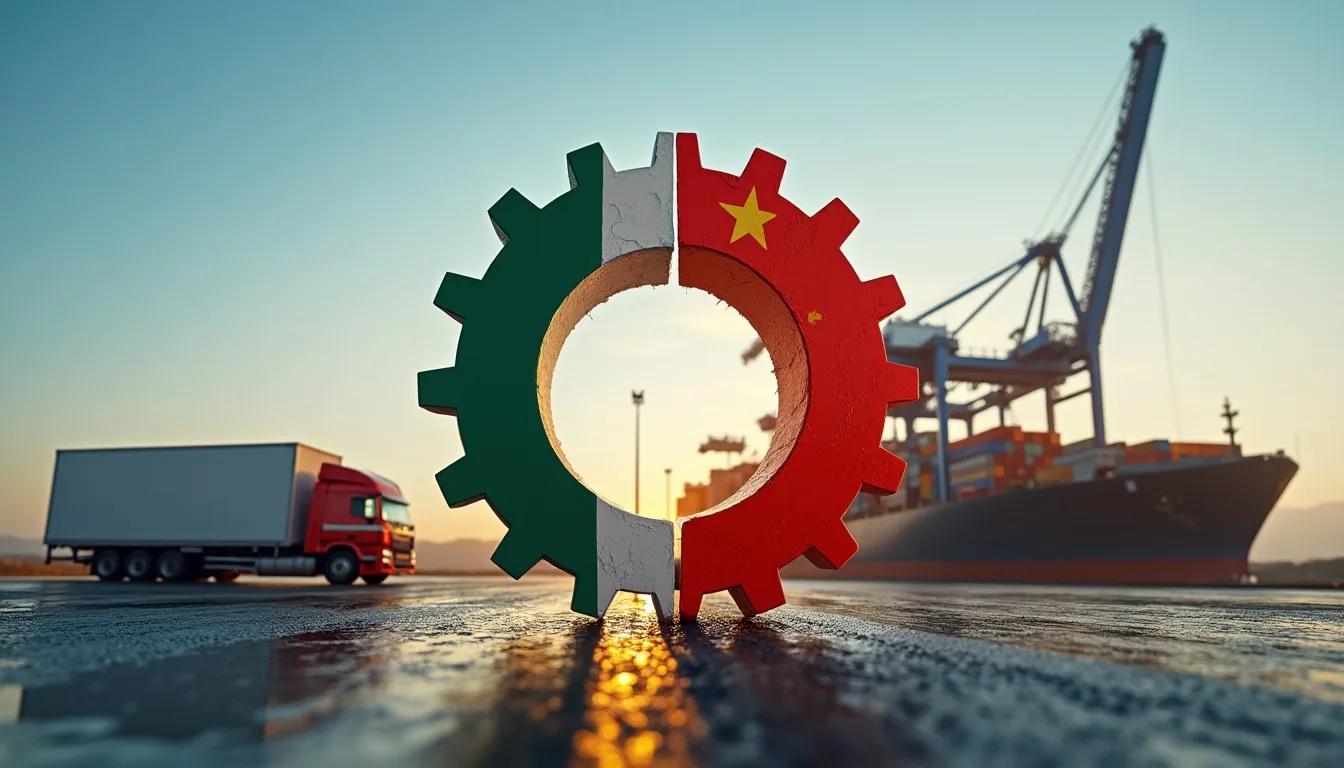
Mexico manufacturing stands as a global powerhouse, driven by sectors like automotive, aerospace, medical devices, electronics, and consumer products, contributing significantly to exports and employment. This guide examines key industries, current 2025 statistics showing output projected at USD 399.73 billion, economic impacts, emerging trends such as nearshoring and EVs, and advantages for investors. With record FDI of USD 31 billion in the first half of 2025 and a workforce of over 9 million, Mexico ranks as a top nearshoring destination. Whether you’re a business leader evaluating expansion or an analyst tracking growth, discover how factories in Mexico fuel innovation amid a 1.28% CAGR through 2029, supported by programs like IMMEX and USMCA.
Key Industries in Mexico Manufacturing
Mexico manufacturing encompasses diverse sectors, with automotive leading as the largest, followed by aerospace, medical devices, electronics, and appliances. These industries leverage skilled labor, strategic location, and trade agreements to produce high-quality goods for export, particularly to the US, which accounts for over 80% of shipments.
The country’s evolution from simple assembly to advanced production has attracted major players like Ford, Boeing, and Medtronic. In 2025, these sectors employ millions and drive technological advancements, positioning Mexico as Latin America’s manufacturing hub.
Automotive Manufacturing in Mexico
Automotive is the flagship of the mexico manufacturing industry, projected to make Mexico the fifth-largest global vehicle producer by year-end. In the first half of 2025, production reached over 1.8 million units, with exports up 6.3% year-over-year. Facilities in states like Puebla and Guanajuato assemble cars, trucks, and EVs for brands such as GM and Toyota.
This sector benefits from USMCA rules requiring 75% regional content, reducing tariffs and enhancing integration. Challenges include supply chain disruptions, but investments in electrification address them, fostering sustainable growth.
Aerospace and Aviation Sector
Aerospace ranks among top industries mexico, with over 300 companies producing components like engines and fuselages. In 2025, the sector employs 60,000 and generates USD 8 billion in exports, growing at 14% annually pre-pandemic and rebounding strongly.
Clusters in Querétaro and Baja California host giants like Bombardier and Honeywell, focusing on precision engineering. Government incentives attract FDI, while skilled engineers from local universities support innovation in composites and avionics.
Medical Devices Industry
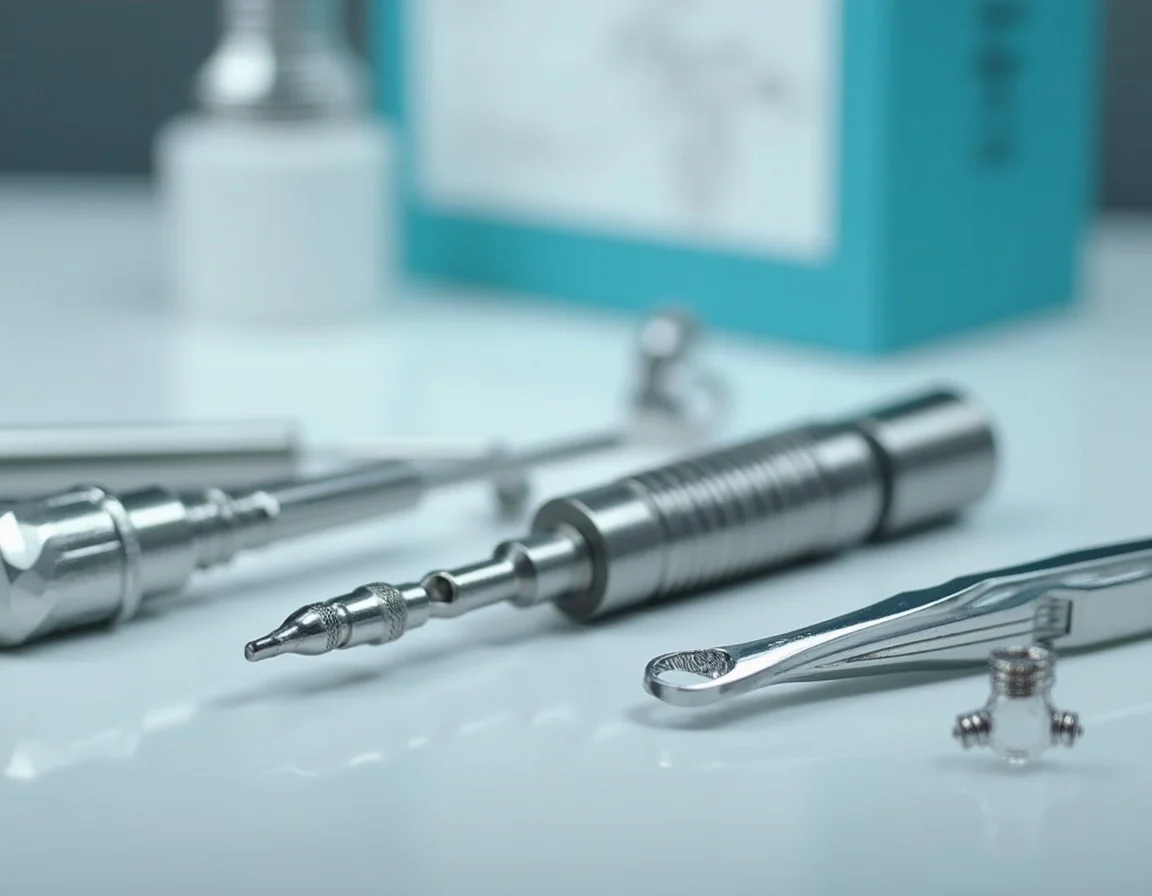
Medical devices represent a high-growth area in what does mexico manufacture, valued at USD 15 billion in exports for 2024, with 2025 projections showing continued expansion amid global health demands. Products include surgical instruments, pacemakers, and diagnostics from firms like Johnson & Johnson.
Border regions like Tijuana host over 700 facilities, benefiting from FDA compliance and cost efficiencies. The industry’s resilience during pandemics highlights its role in supply chain diversification for US markets.
Electronics and Appliances Manufacturing
Electronics manufacturing in Mexico produces semiconductors, TVs, and smartphones, with 2025 output contributing to the sector’s USD 80 billion export value. Companies like Samsung and LG operate massive plants in Monterrey, leveraging advanced robotics.
Appliances, including refrigerators and washers, add another USD 20 billion, driven by consumer demand. Nearshoring trends amplify this, as firms shift from Asia for shorter lead times and lower risks.
Current Statistics and Economic Impact of Mexico Manufacturing
In 2025, Mexico manufacturing demonstrates resilience, with June production up 1.6% month-over-month and May at 1.4% year-over-year, despite a 0.8% dip in overall industrial output for May. The PMI rose to 50.2 in August, signaling expansion. Employing 9.3 million (15.5% of the workforce), it contributes 18% to GDP and attracts record FDI of USD 31 billion in H1 2025.
Economically, it bolsters exports exceeding USD 500 billion annually, creating jobs and infrastructure in border states. However, the first five months saw a 1.4% industrial decline, prompting policy adjustments for stability.
This impact extends to US trade, with Mexico as the top partner, supporting integrated chains. Sustainable practices reduce environmental footprints, aligning with global standards.
Trends Shaping Mexico Manufacturing in 2025
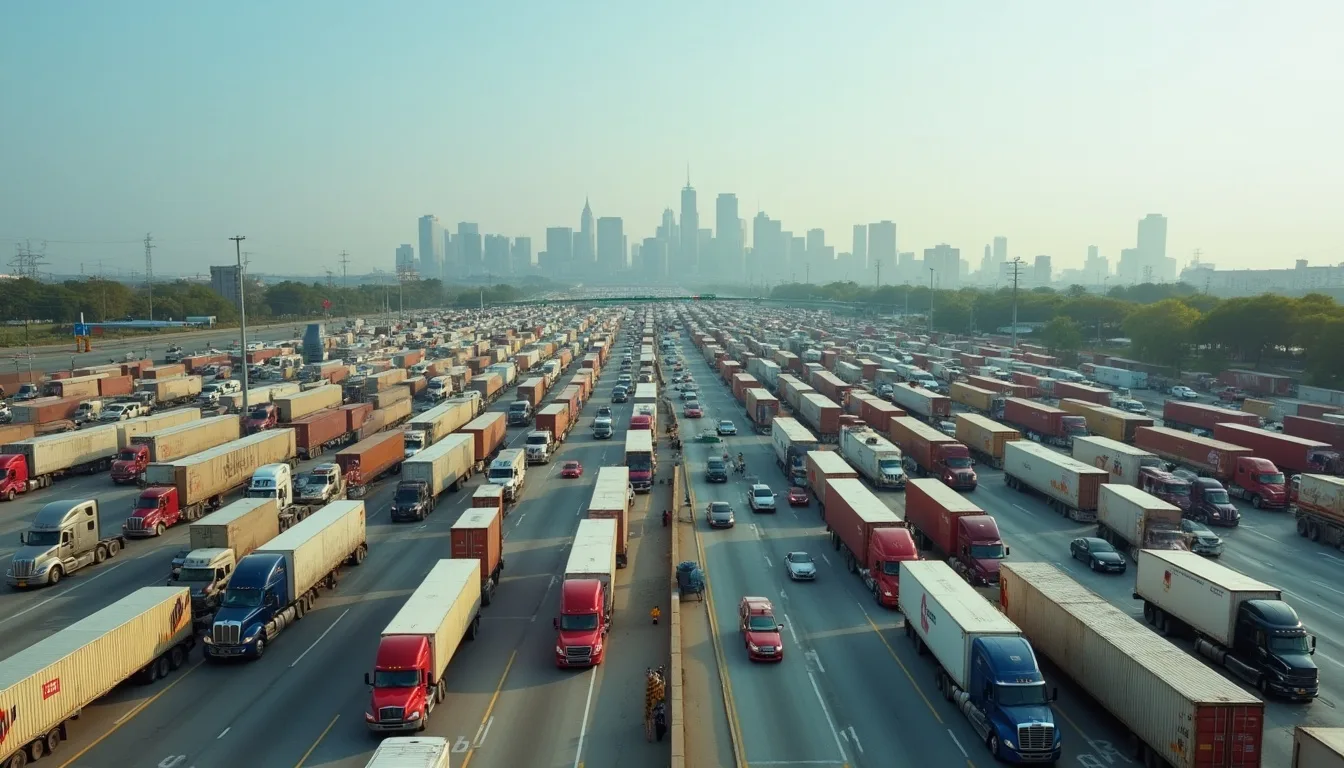
Nearshoring dominates trends in mexico manufacturing industry, with companies relocating for proximity to US markets, reducing Asia dependencies amid geopolitical tensions. This shift boosts FDI and tech adoption, like AI in production lines.
Electrification and sustainability gain traction, especially in automotive, with EV investments surging. Government initiatives promote green manufacturing, targeting carbon reductions by 2030.
Challenges include energy shortages and labor skills gaps, addressed through training programs. Overall, a 1.28% CAGR forecasts steady growth, emphasizing high-value sectors.
Advantages of Setting Up Factories in Mexico
Factories in mexico offer cost savings of 20-30% compared to US operations, thanks to lower wages (average USD 2.14k monthly in Q1 2025) and incentives like IMMEX for duty-free imports. Strategic location cuts shipping times to days versus weeks from overseas.
Access to a young, educated workforce over 120,000 engineers graduate annually supports innovation. Trade pacts ensure tariff-free access to North America, enhancing competitiveness.
Security improvements and infrastructure upgrades mitigate risks, making Mexico ideal for long-term investments.
Here’s a table of top Mexico manufacturing sectors in 2025:
| Sector | Export Value (Billion USD) | Key Locations | Growth Rate |
| Automotive | 150+ | Puebla, Guanajuato | 6.3% YoY |
| Aerospace | 8 | Querétaro, Baja California | 14% pre-2025 |
| Medical Devices | 15 | Tijuana, Chihuahua | Steady post-pandemic |
| Electronics | 80 | Monterrey, Jalisco | High nearshoring |
| Appliances | 20 | Nuevo León | Consumer-driven |