Turnkey Manufacturing Explained
Turnkey manufacturing is a comprehensive production model where a single provider handles everything from design and sourcing to assembly and delivery, allowing clients to receive ready-to-use products with minimal involvement. This guide covers the definition, key benefits such as 30-50% cost reductions and faster time-to-market, the step-by-step process, comparisons to traditional methods, examples from industries like electronics and automotive, and 2025 trends including AI integration and nearshoring to Mexico. With the global contract manufacturing market projected at USD 780 billion in 2025, turnkey solutions streamline operations for startups and enterprises alike. From turnkey contract manufacturing basics to turnkey contract manufacturing in Mexico advantages, you’ll gain actionable insights to optimize your supply chain and enhance competitiveness in a dynamic global landscape.
What is Turnkey Manufacturing
Turnkey manufacturing refers to a full-service approach where a manufacturer manages the entire production lifecycle, delivering a complete, operational product or system to the client. This “plug-and-play” model minimizes client effort, as the provider oversees design, procurement, fabrication, testing, and sometimes installation.
In practice, it differs from traditional manufacturing by bundling all stages under one contract, reducing coordination needs. For instance, in electronics, a turnkey provider might source components, assemble PCBs, and ship finished devices. Originating in the 1950s for construction projects, it has expanded to tech and consumer goods, emphasizing efficiency.
This model suits businesses lacking in-house capabilities, allowing focus on marketing and sales. In 2025, digital tools enhance transparency, with cloud platforms tracking progress in real-time.
Benefits of Turnkey Contract Manufacturing
Benefits of turnkey contract manufacturing include significant cost savings through economies of scale and reduced overheads clients avoid investing in equipment or training, cutting expenses by 40%. It accelerates production, with lead times shortened by 20-30% via integrated processes.
In 2025, scalability is a major plus, enabling quick volume adjustments without capital ties. Quality assurance improves, as specialized providers implement rigorous controls, minimizing defects to under 1%.
Additionally, it mitigates risks by transferring responsibility to experts, fostering innovation through access to advanced tech. For global firms, this streamlines compliance with regulations like ISO standards.
Cost Savings and Efficiency
Cost savings arise from bulk sourcing and optimized workflows, often 30-50% lower than in-house. Efficiency gains from streamlined operations reduce waste and downtime, boosting ROI.
For SMEs, this means entering markets faster without heavy upfront costs, as seen in consumer electronics.
Quality and Risk Management
Quality in turnkey manufacturing benefits from dedicated expertise, with defect rates low due to specialized testing. Risk management shifts liabilities to the provider, including supply chain disruptions.
In volatile 2025 markets, this provides stability, with contracts including penalties for delays.
Turnkey Manufacturing Process Step by Step
The turnkey manufacturing process begins with client consultation to define specifications, followed by design and prototyping, sourcing materials, production, testing, and delivery. This end-to-end approach ensures seamless execution.
Initial steps involve feasibility studies and quotes, setting timelines. Production scales using automated lines for precision. Testing verifies compliance, with final handover including documentation.
In 2025, AI optimizes each stage, predicting issues for proactive fixes. This structured method minimizes client input while delivering high-value outcomes.
Design and Prototyping Phase
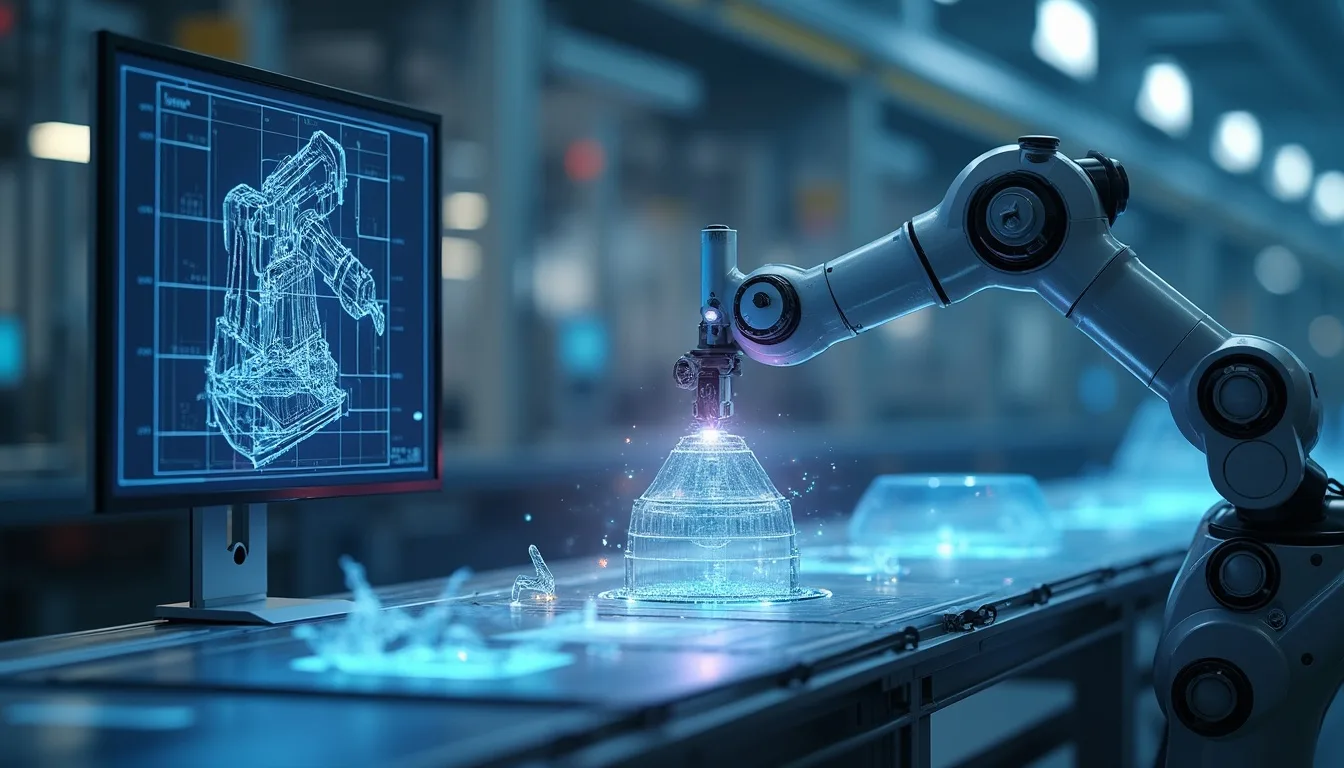
Design and prototyping phase translates ideas into blueprints, using CAD software for accuracy. Prototypes test functionality, iterating based on feedback.
This collaborative stage aligns expectations, reducing later revisions and costs.
Production and Delivery Stages
Production stages ramp up with assembly lines, incorporating quality checks. Delivery includes logistics coordination for timely arrival.
Post-delivery support, like warranties, ensures long-term satisfaction.
Turnkey Contract Manufacturing in Mexico Advantages
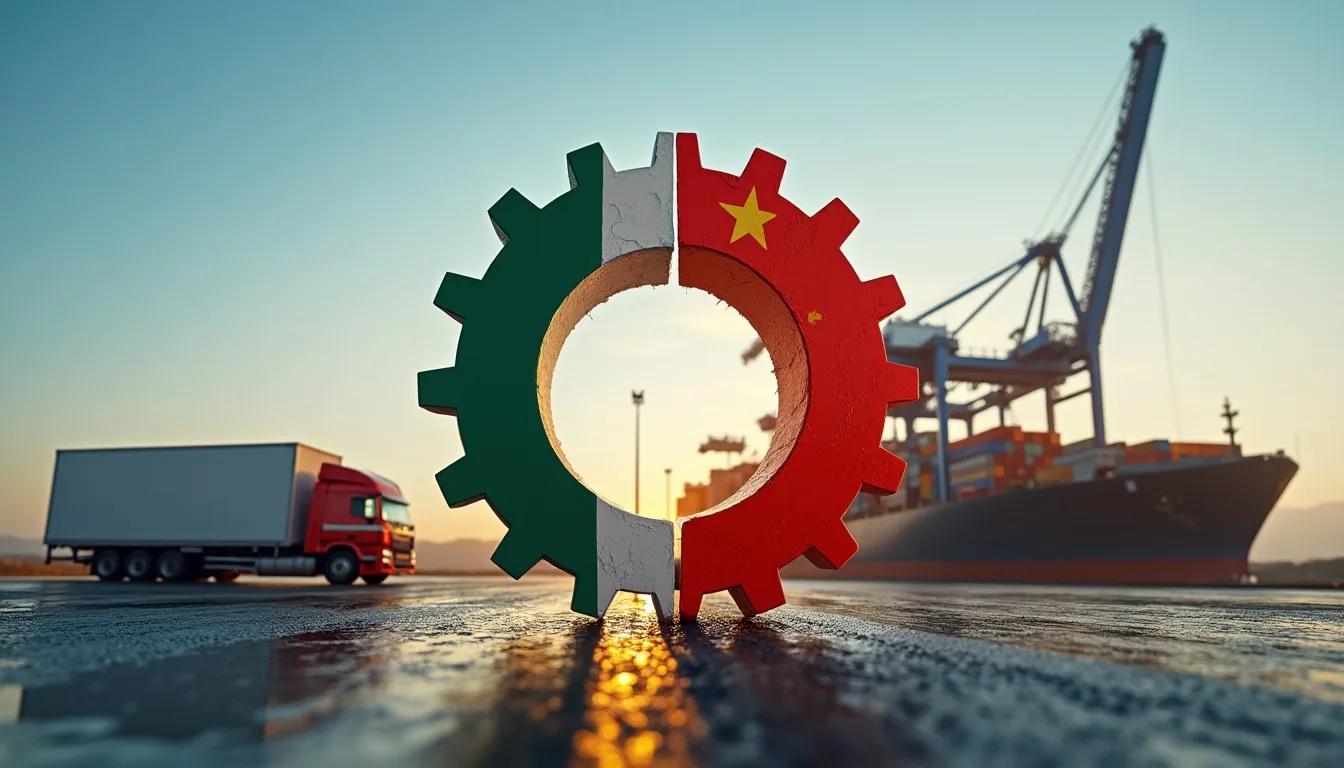
Turnkey contract manufacturing in Mexico offers unique advantages, with labor costs 20-30% lower than Asia and proximity to the US cutting shipping times to days. Under USMCA, tariff-free exports enhance appeal for North American markets.
In 2025, Mexico’s IMMEX program defers duties, saving 16% VAT on imports for exporters. Clusters like Tijuana host over 500 facilities, providing skilled labor and infrastructure.
This model supports customization, with quick turnaround for prototypes. Economic stability and bilingual workforce reduce communication barriers.
Cost and Logistics Benefits in Mexico
Cost benefits include wages at USD 4-6/hour burdened, enabling competitive pricing. Logistics benefits from border proximity, reducing freight by 40% versus overseas.
These factors make Mexico ideal for agile manufacturing, as seen in automotive parts.
Quality and Regulatory Compliance in Mexico
Quality in Mexico benefits from FDA aligned standards, with many facilities ISO-certified. Regulatory compliance eases US exports, with audits ensuring safety.
In 2025, sustainability initiatives like recycled materials align with global trends.
Comparing Turnkey Manufacturing to Other Models
Comparing turnkey manufacturing to other models like contract or in-house highlights its comprehensive nature turnkey includes design, unlike basic contract assembly. In-house offers control but high costs, while turnkey outsources expertise for efficiency.
In 2025, hybrid models blend turnkey with in-house R&D for innovation. Turnkey suits startups scaling quickly, whereas in-house fits proprietary tech.
Risks in turnkey include dependency, mitigated by strong contracts. Overall, it provides better ROI for non-core functions.
Trends in Outsourcing Manufacturing for 2025
Trends in outsourcing manufacturing for 2025 emphasize nearshoring, with relocations to Mexico up 25% for US firms amid tariffs. AI integration reduces labor needs by 20%, enhancing precision.
Sustainability drives eco-materials, with regulations mandating recyclable content. The market grows at 6-8% CAGR, reaching USD 800 billion.
Challenges like inflation prompt cost-sharing, while digital twins improve virtual oversight.
| Aspect | Turnkey | Contract |
| Scope | Full process | Specific tasks |
| Client Involvement | Low | Medium |
| Cost Savings | High (30-50%) | Moderate (20-40%) |
| Risk Transfer | High | Partial |
| Ideal For | Complete products | Components |