Understanding the Wiring Harness Manufacturer Industry
The wiring harness manufacturer industry is a vital backbone of modern technology, enabling seamless electrical connectivity in sectors like automotive, aerospace, telecommunications, and medical equipment. A wiring harness, also known as a cable harness, is a meticulously organized bundle of wires, cables, and connectors designed to transmit electrical power and signals efficiently. Partnering with a skilled wire harness factory ensures high-quality, durable, and cost-effective solutions tailored to specific industry demands. This article explores the intricacies of wire harness production, key considerations for selecting a manufacturer, and emerging trends shaping the future of harness manufacturing.
What Is a Wiring Harness and Why Is It Essential?
A wiring harness is a pre-assembled system of insulated wires, connectors, and terminals that facilitates the transmission of electrical power and data within a device or vehicle. It serves as the nervous system of a machine, ensuring components communicate seamlessly. Wire harness fabrication streamlines installation, reduces errors, and enhances durability by protecting wires from environmental factors like heat, moisture, and vibration.
Wiring harnesses are indispensable across industries. For example, a modern vehicle may contain up to 2.2 kilometers of wiring, 100 sensors, and multiple control units, as seen in models like the Seat Ateca SUV. The wiring harness organizes these components, ensuring safety and efficiency. Choosing a proficient wiring harness manufacturer is critical to meet stringent industry standards.
Key Functions of a Wiring Harness
- Organization: Consolidates multiple wires into a single, manageable unit.
- Protection: Shields wires from abrasion, moisture, and extreme temperatures.
- Efficiency: Simplifies installation and reduces assembly time.
- Reliability: Ensures consistent electrical connectivity for optimal performance.
The Wire Harness Manufacturing Process
The wire harness manufacturing process is a precise blend of engineering, skilled labor, and rigorous quality control. Understanding the steps involved in making a wiring harness highlights the expertise required to produce reliable products. Below are the key stages in wire harness production.
1. Design and Engineering
The process begins with designing the harness based on the application’s specifications. Engineers use advanced software to create schematics, detailing wire lengths, connector types, and routing paths. This stage ensures compliance with standards like ISO/TS 16949, widely used in automotive wiring manufacturing.
2. Wire Cutting and Stripping
Wires are cut to exact lengths and stripped to expose conductors. Manufacturers handle a broad range of cables, from AWG 32 to 535 MCM, to meet diverse industry needs. Automated machinery ensures precision and consistency in this critical step.
3. Assembly and Crimping
Wires are bundled, and terminals are crimped to connectors. This phase requires skilled labor to create secure connections that withstand vibration and environmental stress. Error-proofing systems enhance reliability, a hallmark of top wire harness companies.
4. Testing and Quality Assurance
Every harness undergoes thorough testing, including continuity checks, insulation resistance, and environmental stress tests. Advanced manufacturers employ methodologies like APQP and PPAP to ensure quality. These tests guarantee that the wire harness performs reliably in real-world conditions.
5. Packaging and Delivery
Once tested, harnesses are packaged and shipped to clients. Just-in-time (JIT) delivery is common in industries like automotive, where production schedules are tight. This structured process ensures that products meet exact specifications.
Why Choose a Reputable Wiring Harness Manufacturer?
Selecting the right wiring harness manufacturer is pivotal to project success. Poorly made harnesses can lead to system failures, costly recalls, and safety hazards. Here are key factors to consider when choosing a partner for wiring harness manufacturing.
Quality Certifications
Prioritize manufacturers with certifications like ISO/TS 16949, which ensures adherence to automotive quality standards. These certifications reflect a commitment to consistent quality and reliability.
Manufacturing Capabilities
A dependable manufacturer should handle complex designs and high-volume production. Advanced equipment and skilled labor are essential for precision and efficiency in wire harness fabrication.
Research and Development
Leading manufacturers invest in R&D to stay ahead of trends, such as electric vehicle (EV) wiring or lightweight harnesses. This ensures compatibility with emerging technologies.
Customization
Industries have unique needs, from automotive to medical equipment. A manufacturer offering custom wire harness solutions can tailor products to specific requirements.
Location and Logistics
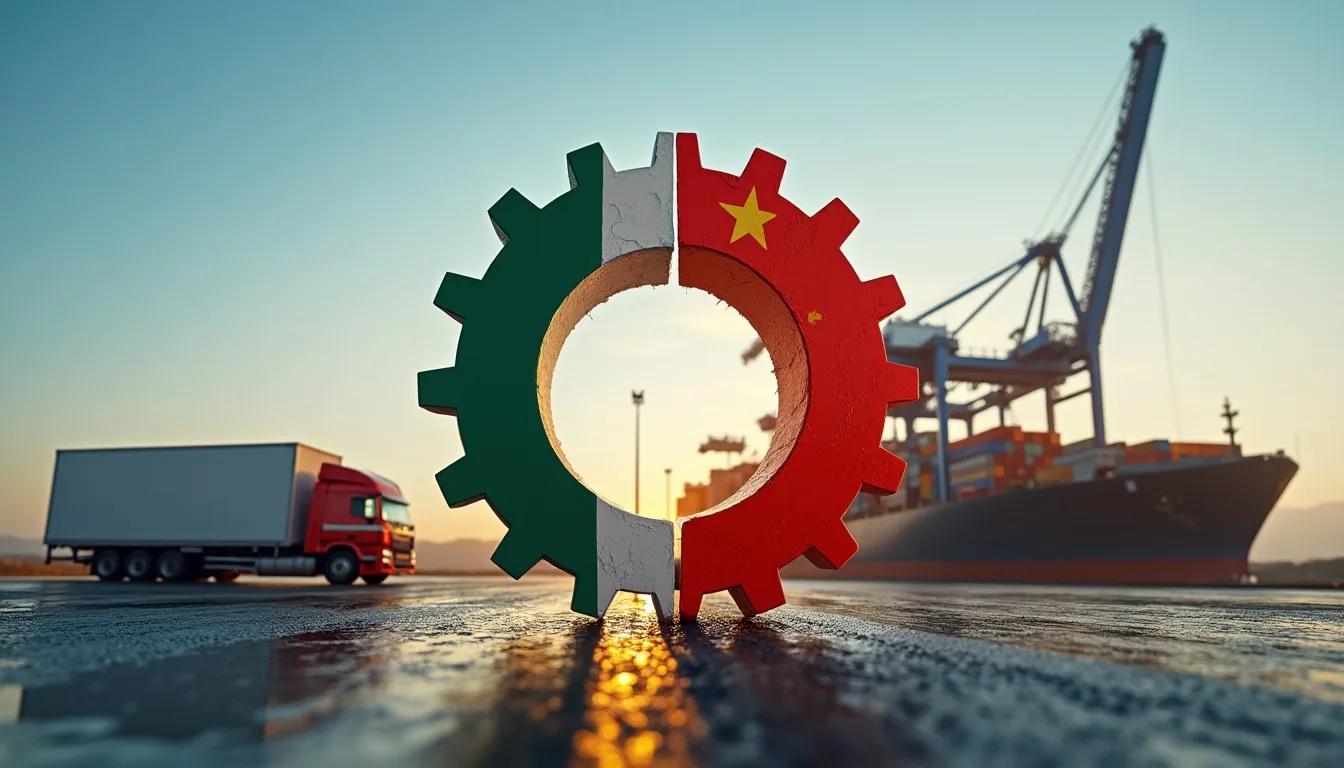
Proximity to markets reduces lead times and costs. Regions like Mexico, strategically located near the U.S., are hubs for cable harness manufacturing due to cost advantages and efficient logistics.
Focusing on these factors helps businesses partner with manufacturers that deliver high-quality, reliable harnesses.
Industries Relying on Wire Harness Companies
Wire harness manufacturing supports a wide range of industries, each with distinct requirements. Here’s how different sectors benefit from expert harness manufacturing.
Automotive
The automotive industry is the largest consumer of wiring harnesses, driven by vehicle electrification and advanced driver-assistance systems (ADAS). Harnesses power components like infotainment systems and airbags. The global automotive wiring manufacturing market was valued at $48.7 billion in 2023 and is projected to reach $59.5 billion by 2030.
Aerospace
Aerospace harnesses require lightweight materials and high reliability to endure extreme conditions. Precision manufacturing ensures performance in critical applications like avionics.
Telecommunications
Harnesses in telecommunications support robust connectivity for data centers and network infrastructure. Custom designs optimize signal transmission and durability.
Medical
Medical devices, such as MRI machines and patient monitors, rely on compact, reliable harnesses. Precision and compliance with regulatory standards are non-negotiable.
Industrial Equipment
Industrial machinery, from robotics to heavy equipment, depends on durable harnesses to operate in harsh environments. Custom wire harness solutions ensure reliability and longevity.
Each industry requires specialized expertise, making it crucial to select a manufacturer with proven capabilities in the relevant sector.
Trends Shaping Harness Manufacturing
The wiring harness manufacturing industry is evolving rapidly, driven by technological advancements and market demands. Here are key trends shaping the future of wire harness production.
Electrification and EVs
Electric vehicles demand complex harnesses to manage high-voltage systems. Manufacturers are developing lightweight, high-capacity harnesses to support the growing EV market, expected to grow at a CAGR of 24.3% through 2030.
Automation
Automated assembly lines enhance efficiency and reduce errors. Leading wire harness companies integrate robotics and AI for precision and scalability, streamlining wire harness fabrication.
Sustainability
Eco-friendly materials and processes are gaining traction. Some manufacturers use recyclable insulation to minimize environmental impact, aligning with global sustainability goals.
Miniaturization
As devices become smaller, harnesses must fit into compact spaces without sacrificing performance. This trend is particularly relevant in medical and consumer electronics.
Smart Manufacturing
The adoption of Industry 4.0 technologies, such as IoT and real-time monitoring, is transforming cable harness manufacturing. These tools improve quality control and reduce production costs.
Keeping pace with these trends requires innovation and expertise, ensuring manufacturers remain competitive in a dynamic industry.
Common Challenges in Wire Harness Manufacturing
The wire harness manufacturing process is not without challenges. Addressing these hurdles requires expertise and innovation. Here are some common issues faced by wire harness companies.
Complex Design Requirements
Modern applications, especially in EVs and aerospace, demand intricate harness designs. Manufacturers must balance functionality with size and weight constraints.
Supply Chain Disruptions
Global supply chain issues can delay the availability of raw materials like copper or specialized connectors, impacting production timelines.
Quality Control
Ensuring consistent quality across high-volume production is challenging. Rigorous testing and quality assurance processes are essential to prevent defects.
Cost Pressures
Clients expect high-quality harnesses at competitive prices. Manufacturers must optimize processes to maintain profitability without compromising quality.
Rapid Technological Changes
Keeping up with advancements like smart manufacturing or lightweight materials requires continuous investment in R&D and workforce training.
Overcoming these challenges sets top manufacturers apart, ensuring they deliver reliable, high-quality harnesses.
FAQs About Wiring Harness Manufacturing
What is the difference between a wire harness and a cable assembly?
A wire harness bundles multiple wires for organization and protection, while a cable assembly typically involves a single cable with connectors. Harnesses are used in complex systems, while assemblies are simpler.
How long does it take to manufacture a custom wire harness?
Production time depends on complexity and volume. Simple harnesses may take days, while custom designs for automotive or aerospace can take weeks, including design and testing.
What materials are used in wiring harness production?
Common materials include copper or aluminum conductors, PVC or Teflon insulation, and plastic or metal connectors. Materials are selected based on the application’s environmental and electrical needs.
How do I choose the right wiring harness manufacturer?
Focus on certifications, manufacturing capabilities, R&D investment, and customization options. A manufacturer with a strong track record ensures reliable, high-quality solutions.
What are the challenges in wire harness production?
Challenges include managing complex designs, ensuring quality under tight deadlines, and adapting to new technologies like EV systems. Experienced manufacturers mitigate these through advanced processes.
Why Shelmex Stands Out in Wire Harness Manufacturing
Shelmex specializes in Mexico wire harness manufacturing, delivering precision, reliability, and cost-effective solutions. With a focus on quality, Shelmex employs methodologies like Lean Manufacturing and continuous improvement to achieve exceptional results. Their strategic location in Mexico ensures fast delivery and competitive pricing, making them a preferred partner for industries worldwide.
Shelmex’s commitment to employee training and advanced equipment sets them apart. Their toolbox of core tools, including flow charts and error-proofing systems, ensures every harness meets rigorous standards. Whether you need automotive, aerospace, or telecommunications harnesses, Shelmex provides customized solutions that drive success.
Consult Shelmex for Your Wiring Harness Needs
If you’re seeking high-quality, reliable, and cost-effective wiring harness solutions, Shelmex is your ideal partner. Explore our comprehensive services and discover how we can meet your manufacturing needs. Visit Shelmex’s Mexico wire harness manufacturing page to learn more and contact us today to discuss your project requirements.